A Solar KPI Audit You Can Repeat Yourself
An independent check is only worth something if you can repeat it. Same raw data, same plant data, same rules: the same number. What that takes, and what it means when a rerun does not match.
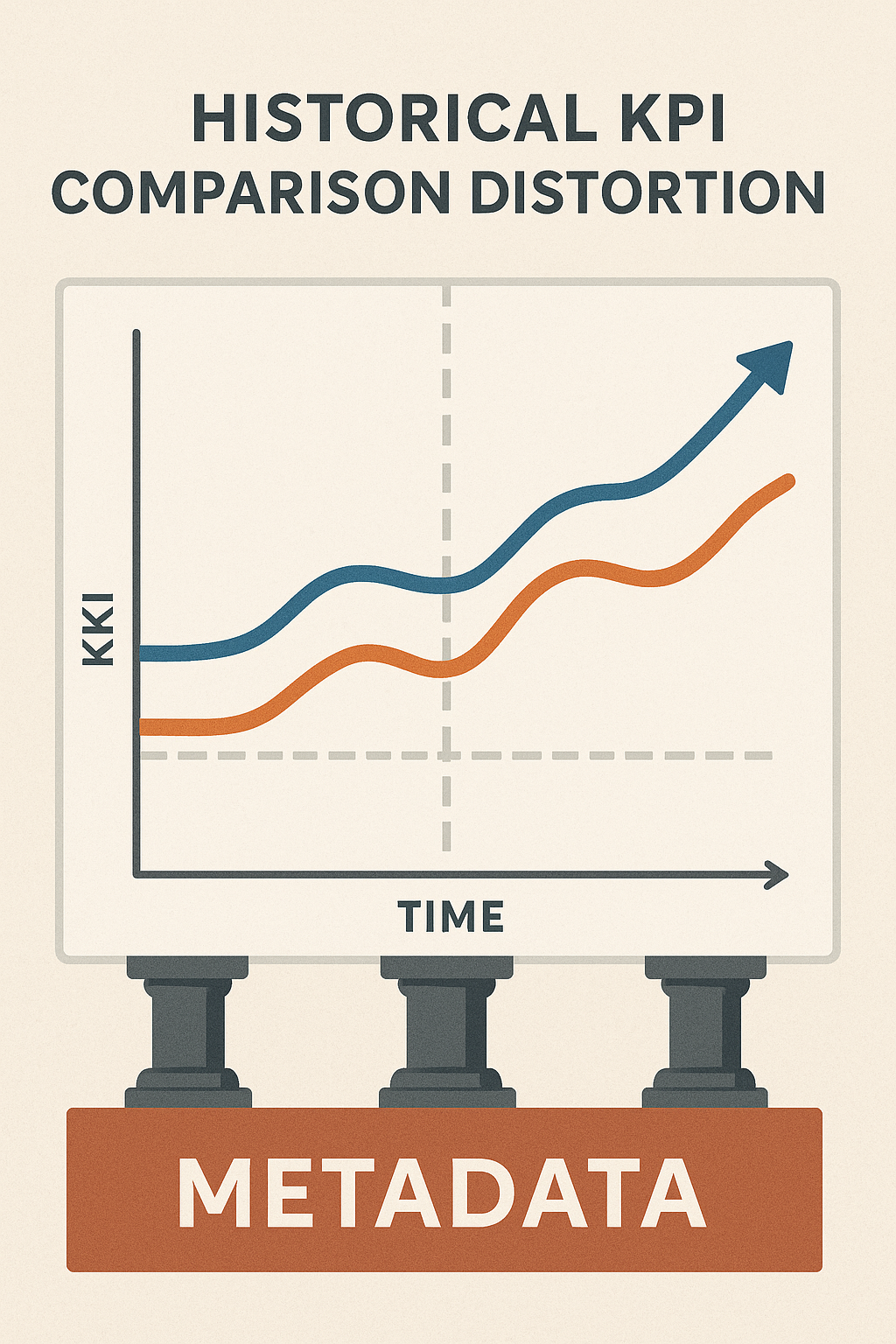
You hire someone to check your KPIs, and they send you a number. Now you have one more number to trust.
A check is only worth something if it can be repeated. Given the same inputs, anyone who runs it again has to get the same result. That includes you, without us.
Three inputs, one number
Every KPI comes from three inputs:
- The raw data: the readings as they arrived from the portal, the meter and the weather source.
- The plant data: capacity, inverters, sensors, each with the dates it was valid.
- The rules: which hours count, which sensor, what is excluded, how it is added up.
Same raw data, same plant data, same rules: the same number. If you have all three, you can recompute any number yourself, and the result has to match.
When a rerun doesn't match
Synthetic example. The numbers are made up, the mechanics are not.
The March performance ratio, reported in April, was 83.1 %. Rerun in July, it is 82.6 %. Something has changed, and the 0.5 points split by input:
| Input | What changed | Effect |
|---|---|---|
| Raw data | Readings for two days arrived late. On one of the mornings, an inverter had tripped. | −0.2 |
| Plant data | The irradiance sensor turned out to read 0.5 % low, and its calibration was corrected. | −0.4 |
| Rules | Hours below 100 W/m² are now left out, instead of hours below 50 W/m². | +0.1 |
| Together | −0.5 |
A rerun that doesn't match is not a failure, as long as you can say which input changed and by how much. It is a failure when nobody can. Then the April number and the July number are just two numbers.
Doing it yourself
What it takes to make a KPI repeatable:
- Keep every delivery as it arrived, with the date it arrived. Never overwrite raw data.
- Keep plant data with validity dates, and corrections as new records with a reason and a name. See When a Solar Plant Changes, Its KPIs Move.
- Version the rules. A rule change gets a new version, and old reports keep the version they used.
- Save each report with the versions of all three inputs, not just the PDF.
- Rerun an old report now and then. It has to match. If it doesn't, find the input that changed.
Late data is the input that changes most often. Two Dates for Every Number shows how to keep track of it.
Why it matters for an independent check
Independence is not a promise. It is something you can test. If the checker keeps the raw data, the plant data or the rules to themselves, you are back to trusting a number. If you hold all three, you can recompute any number without them and see for yourself whether it matches.
Or let us do it
That is how we work. Your raw data stays in your own storage, as it arrived, in an open format you can query with common tools. Every number carries its origin: which delivery, which master-data state, which software version. The rules are written next to the number. You can revoke our access at any time, and the data and the rules stay with you.
Start with one plant, one month.
See also
Read next
Send one plant, one month.
You get performance ratio and availability as a base row with the rules written down, the difference against each reported number with what explains it and what stays open, a method card next to every number and a 30-minute walkthrough. Nothing changes in your monitoring.
Send one plant, one month