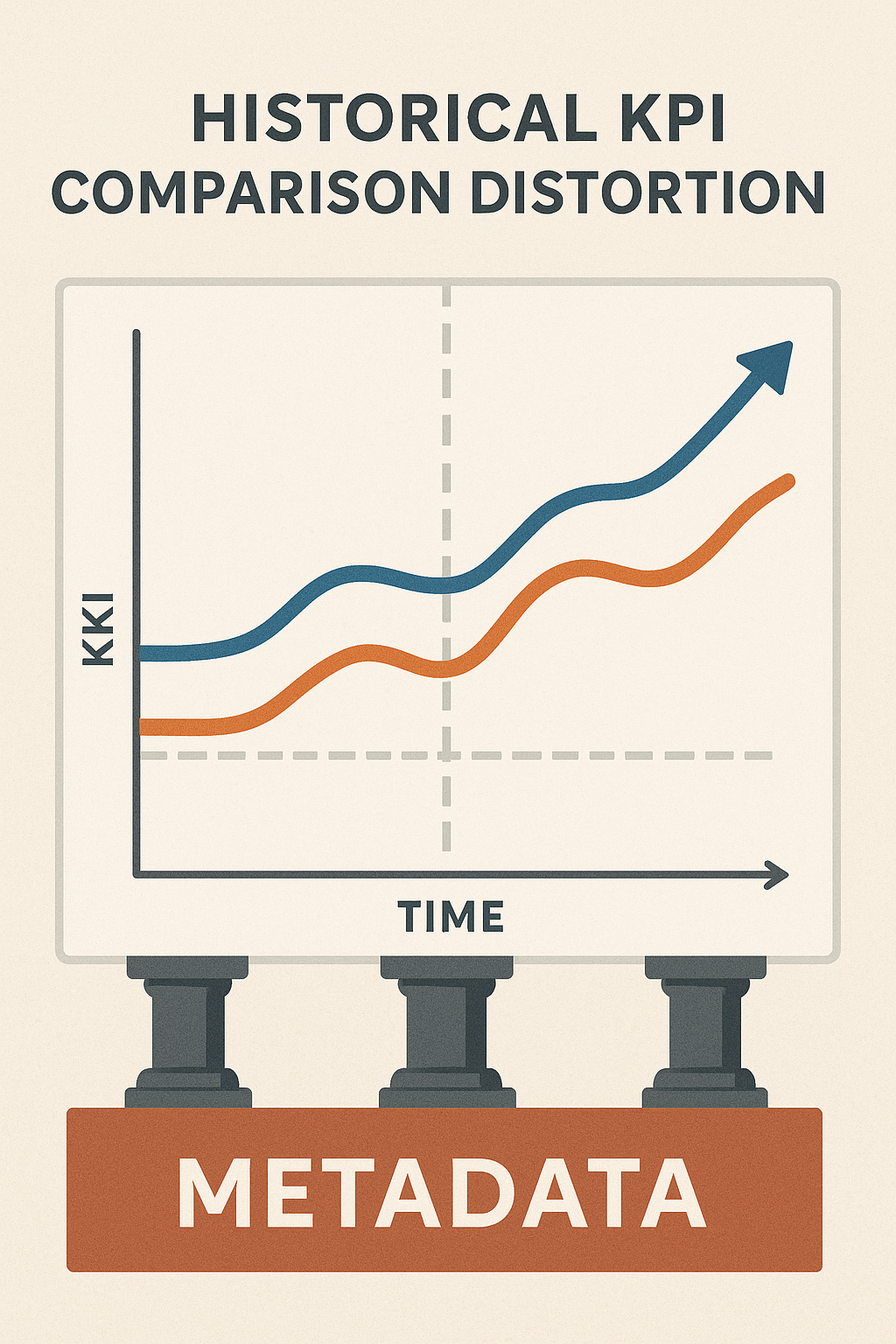
Reproducibility in Solar Analytics: Why It's Harder Than It Sounds
Reproducibility is the ability to run an analysis today and again in the future - and get the same result, given identical conditions.
In solar, this is rarely possible.
Not because the math changes. Not because the monitoring provider makes mistakes. But because the context around the data has changed:
- different capacity
- different topology
- different mapping
- different correction factors
- different metadata interpretations
This connects with KPI Drift in Solar Assets: The Silent Risk No Monitoring System Warns You About.
Why Reproducibility Breaks in Solar Analytics
1. Plant configurations change over time
Every change alters the meaning of KPIs:
- inverter replacements
- MPPT reshuffling
- repowering
- capacity corrections
2. Metadata corrections are not backfilled
When AC capacity is corrected today, last year's KPI becomes misaligned.
3. Monitoring providers evolve algorithms
Improved PR logic or new availability rules quietly shift outputs.
4. Analysts use local overrides
Spreadsheets contain plant-specific corrections that are never documented upstream.
See Why O&M Teams Still Depend on Spreadsheets and How It Hurts Solar Performance.
5. Providers do not track history
Almost no portal tracks configuration history granularly.
The Consequences of Poor Reproducibility
1. Year-on-year comparisons break
You are no longer comparing equal conditions.
2. False degradation signals appear
Changes in configuration distort performance trends.
3. Reporting becomes inconsistent
Executives see different numbers for the same period depending on when the report is generated.
4. Investigations slow down
Analysts must reconstruct historical configurations manually.
What Operators Can Do Today
1. Create reproducible metadata snapshots
Even basic snapshots maintain historical clarity.
2. Track all configuration-affecting changes
If it changes plant behavior, it changes analytics.
3. Maintain consistent baseline definitions
Stick to a stable capacity and topology baseline.
4. Document metadata corrections explicitly
And apply them consistently across analyses.