Why Technical Plant Information Is the Missing Link in Solar Operations
Most operators assume the monitoring system contains everything needed for stable KPIs and reliable analytics. It doesn't. Monitoring platforms track performance, not configuration truth.
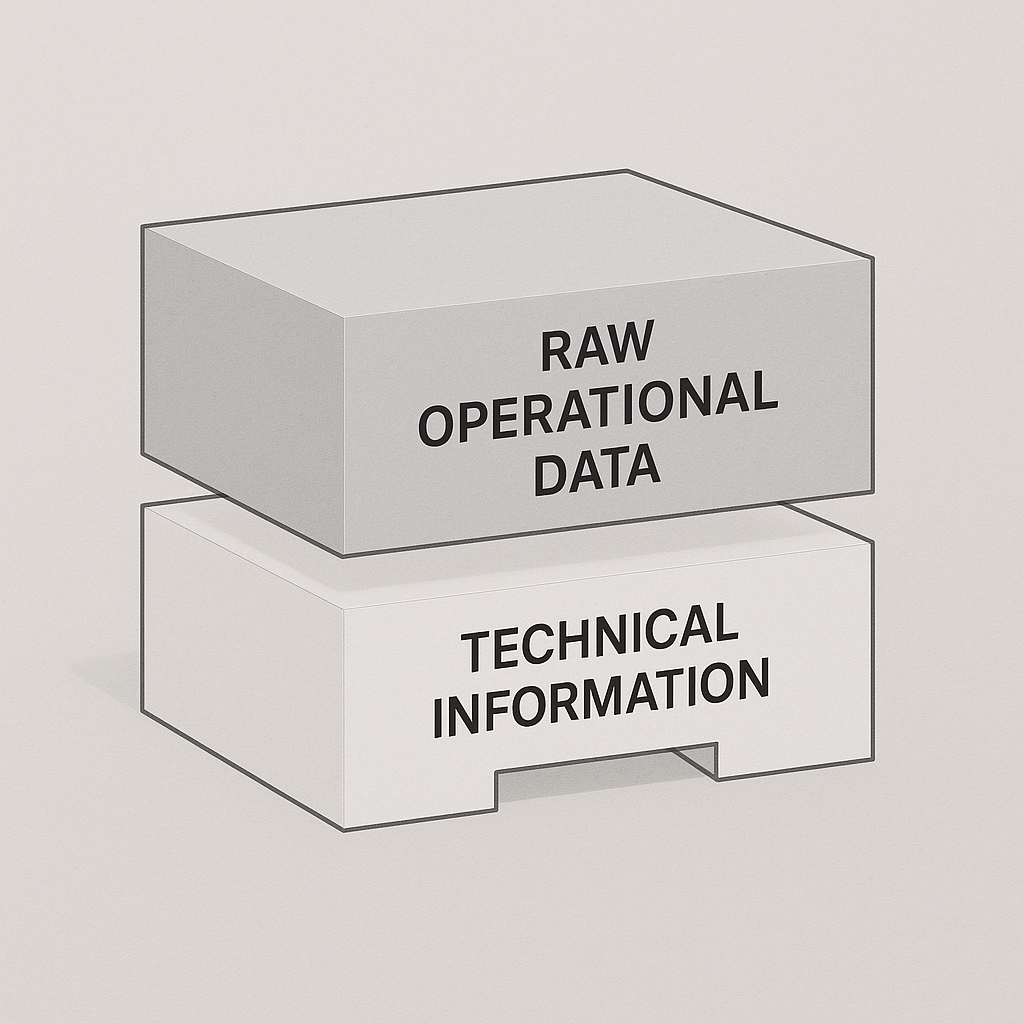
The real foundation of solar operations is the technical information that defines the plant: module lists, inverter replacements, transformer mappings, string counts, re-stringing notes, layout changes, and capacity adjustments.
Almost none of this lives in one place.
Because of that, solar portfolios develop silent weaknesses: drifting KPIs, inconsistent baselines, unreliable comparisons, and manual workarounds buried in spreadsheets.
Why Technical Information Still Lives Everywhere Except Where It Should
Across portfolios, technical details end up scattered across:
- EPC PDFs
- commissioning binders
- emails
- shared folders
- personal notes
- screenshots from portals
- untracked updates in monitoring systems
This fragmentation breaks operational continuity. When the information is fragmented, the insights built on top of it-KPIs, alarms, comparisons, benchmarks-inherit that fragmentation.
This issue compounds when portfolios grow, as described in How Portfolio Growth Exposes Hidden Weaknesses in Solar Data Management.
The Operational Impact: Drift, Blind Spots, and Wasted Hours
When technical information is inconsistent or incomplete:
- KPI Drift Appears Without Explanation
KPIs change when equipment or configuration changes. But when the change isn't documented, the shift looks like a plant issue as described in KPI Drift in Solar Assets: The Silent Risk No Monitoring System Warns You About
- O&M Teams Lose Time Reconstructing Context
Every incident requires re-discovering:
- "What inverter used to be here?"
- "Was this MPPT always this size?"
- "Did the EPC swap modules?"
This slows investigation and reporting.
- Portfolio Comparison Breaks Down
Sites with inconsistent metadata cannot be compared reliably. Baselines differ. Naming differs. Capacity differs. Analytics lose meaning.
- Monitoring Systems See Symptoms, Not Causes
Monitoring systems were never designed to be configuration systems. They track live data streams-not the evolving technical truth of a plant.
For more, see Why Monitoring Systems Can't Track Everything (coming soon).
The Missing Link: A Stable, Consistent Technical Foundation
Operators need a dependable way to track:
- current technical configuration
- historical changes
- equipment replacements
- naming conventions
- system capacity baselines
The goal isn't perfection. It's consistency.
When technical info becomes reliable, everything built on top of it becomes more trustworthy:
- benchmarking
- alarms
- degradation analysis
- transformer mapping
- yield expectations
- data audits
It improves both human workflows and automated analytics.
The Interdependency Problem
Most failures in analytics and operations are not caused by faulty measurements. They are caused by missing or inconsistent context around those measurements.
This is exactly what appears in:
- Solar Asset Documentation Is Broken - Here's What Operators Can Do Today
- The Silent Spread of Inconsistent Technical Information
- Reproducibility in Solar Analytics
When context is wrong, even perfect data misleads.
What Operators Can Do Now
You don't need a major system overhaul. You need three simple habits:
- Treat technical information as "first-class data."
This mindset shift is explained further in The Case for Treating Technical Information as First-Class Solar Data.
- Document plant changes immediately.
Even a 30-second note prevents hours of confusion later.
- Establish naming consistency across the portfolio.
Even without full digitalization, naming hygiene reduces drift dramatically.